If it's been 4-5 years since your last inspection — especially with the storms Central Iowa has seen — here's exactly what you need to know before you ignore it.
Hail doesn't always punch holes. Most of the time it bruises the shingle mat, knocks off the protective granules, or loosens the seal — damage that's invisible unless someone actually gets up there and looks closely.
Wind does the same thing. Shingles can be lifted and re-laid by the wind, cracking the seal underneath, without a single one blowing off. From the ground, the roof looks fine. Eighteen months later, you've got a leak.
That's the entire reason inspections exist. Not to find a problem that isn't there — to find the one that is, before it turns into a much bigger and more expensive one.
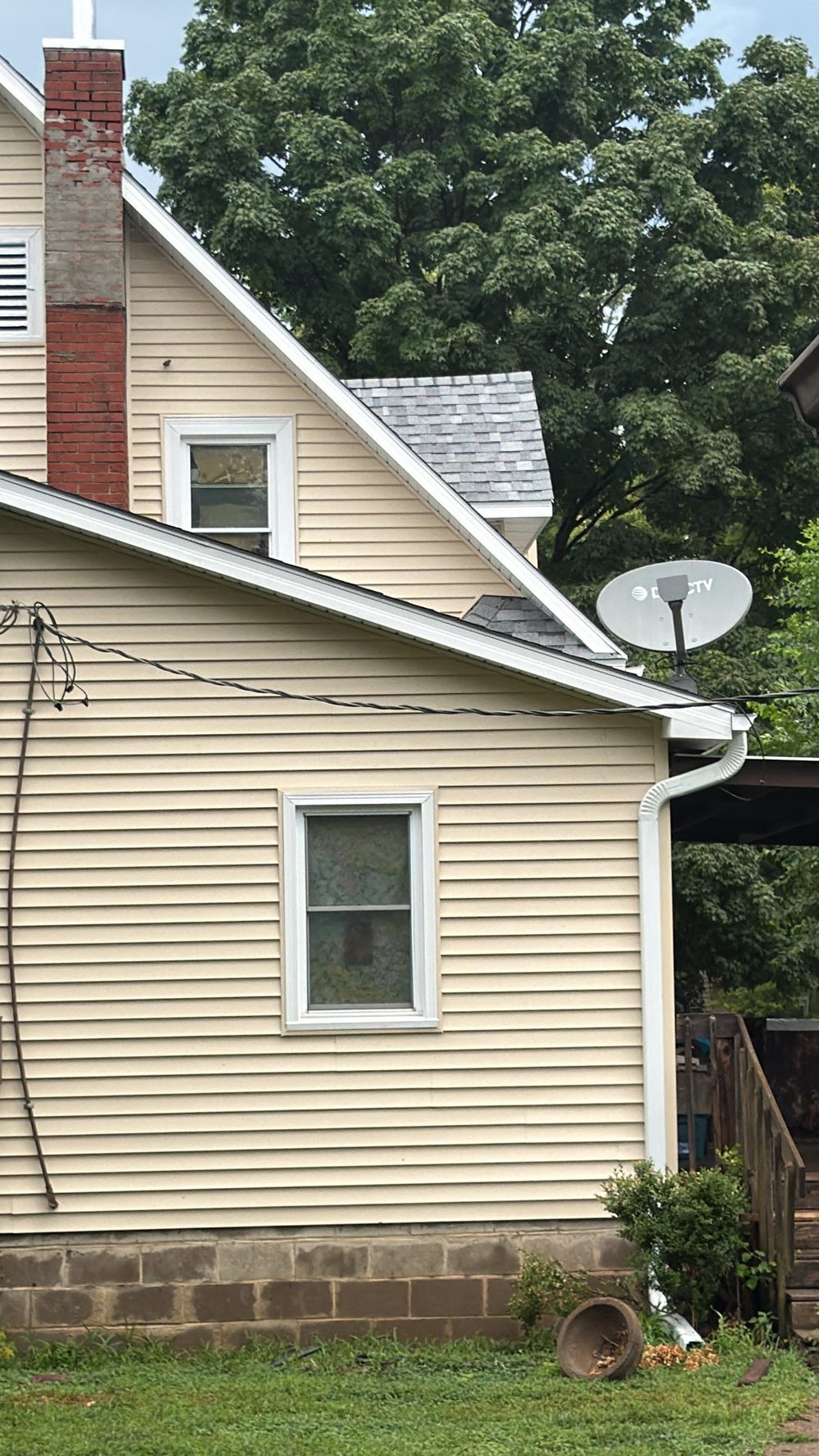
A real inspection isn't a walk-around from the yard. Here's what a thorough roof inspection actually covers.
Hail can bruise or crack shingles and knock loose the granules that protect them from UV and water. Over time this leads to leaks and premature roof failure.
High winds can lift, crease, or fully tear shingles — and even when they lay back down, the seal underneath is often broken for good.
Dents on vents, gutters, downspouts, and AC units are often the first visible clue that your roof took a hit too, even if the shingles look untouched.
Damage around flashing, vents, and valleys is easy to miss and one of the most common causes of slow leaks that show up months later as ceiling stains.
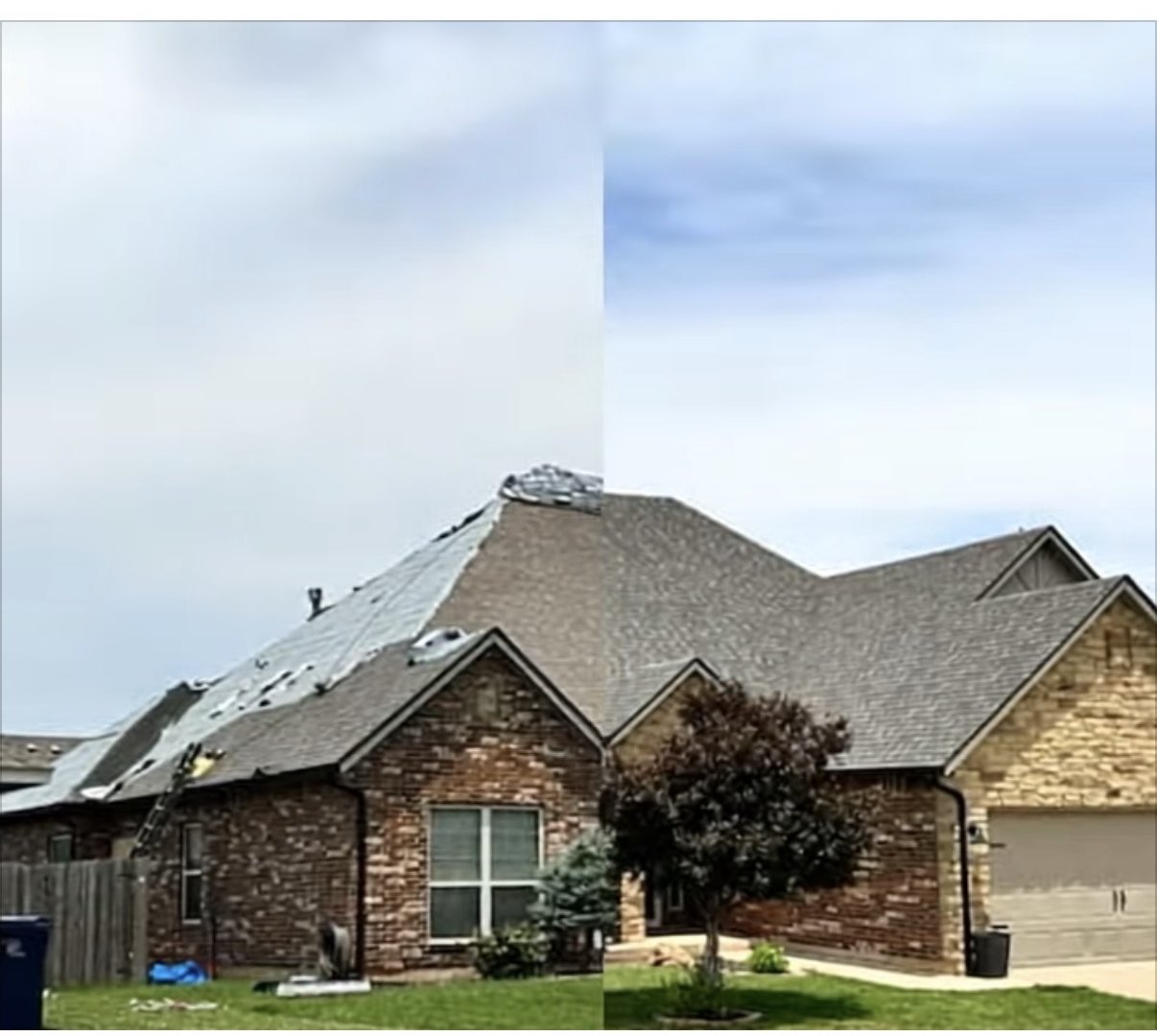
Hail bruising, wind-lifted seals, granule loss, damaged flashing — this is exactly the kind of storm damage that carriers train their adjusters to spot. The difference is whether it gets found and documented before it's dismissed as normal wear.
That's where a lot of homeowners lose out — not because the damage wasn't real, but because nobody ever got up on the roof to find it and put it in writing.
We inspect the full property, document everything with photos, and give you a written report that holds up — the same standard of evidence a carrier's own inspector would look for.
No pressure, no cost, and no obligation to do anything with what we find.
Call, text, or fill out the form and we'll get a time on the books, usually within a day or two.
We get on the roof and check the whole property — shingles, flashing, vents, gutters, and siding.
Photos and a plain-English rundown of what we found, and whether it looks like storm damage.
If there's storm damage, it gets documented the right way. If there isn't, we tell you that too.
"Not every roof has storm damage. But a lot of it goes undocumented because nobody ever checked."